On a parcel headed for development, an old barn, shed, or garage usually comes down for one of a few reasons: it's sitting where the planned build goes, it's a liability the site can't carry into construction, or it's the last thing between a bought lot and a clean start for the crews behind you. Whichever it is, an old barn demolition rarely goes the way a knock-it-down quote makes it sound.
The age is the catch. An old structure can carry hazardous material that has to be dealt with first, buried footings that don't show from the surface, and utilities that are still live even when the building looks abandoned. A crew that treats it as a fast haul-off finds those mid-job, when the schedule you're holding to can't absorb it.
We scope the whole thing before a machine rolls in, so what's actually involved is on the table before it hits your critical path, not discovered halfway through.

Barns, sheds, garages, and outbuildings taken off the parcel and hauled in one job
Hazardous material, live utilities, and buried footings identified before the teardown starts, not after
Ground left cleared and ready for the sitework and the trades that follow
.webp)
.webp)
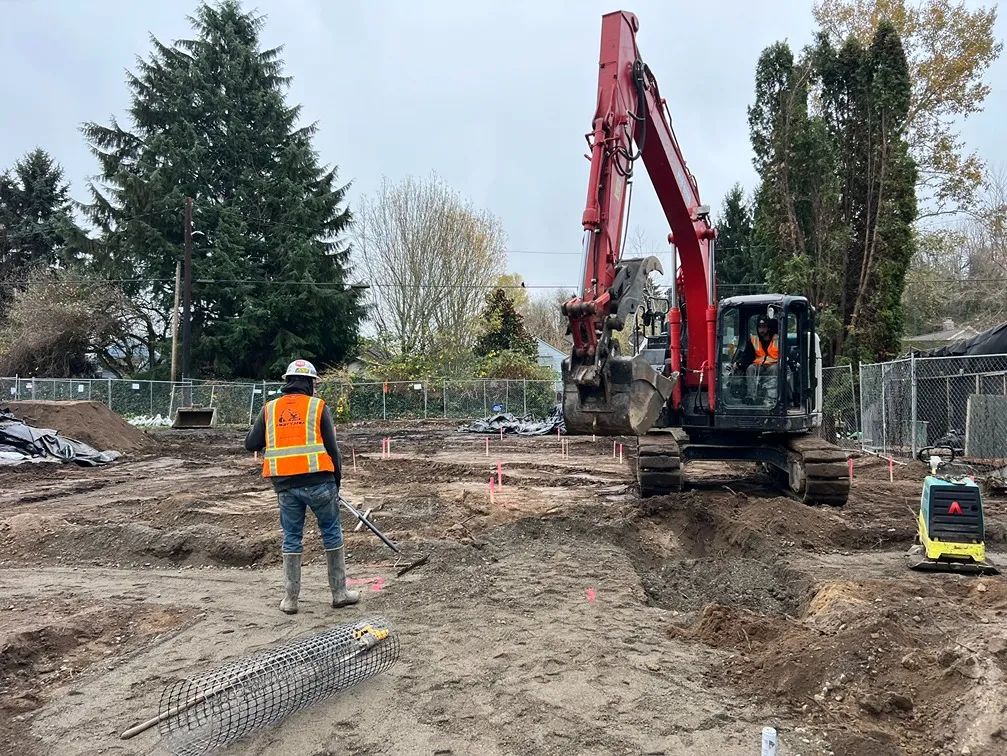
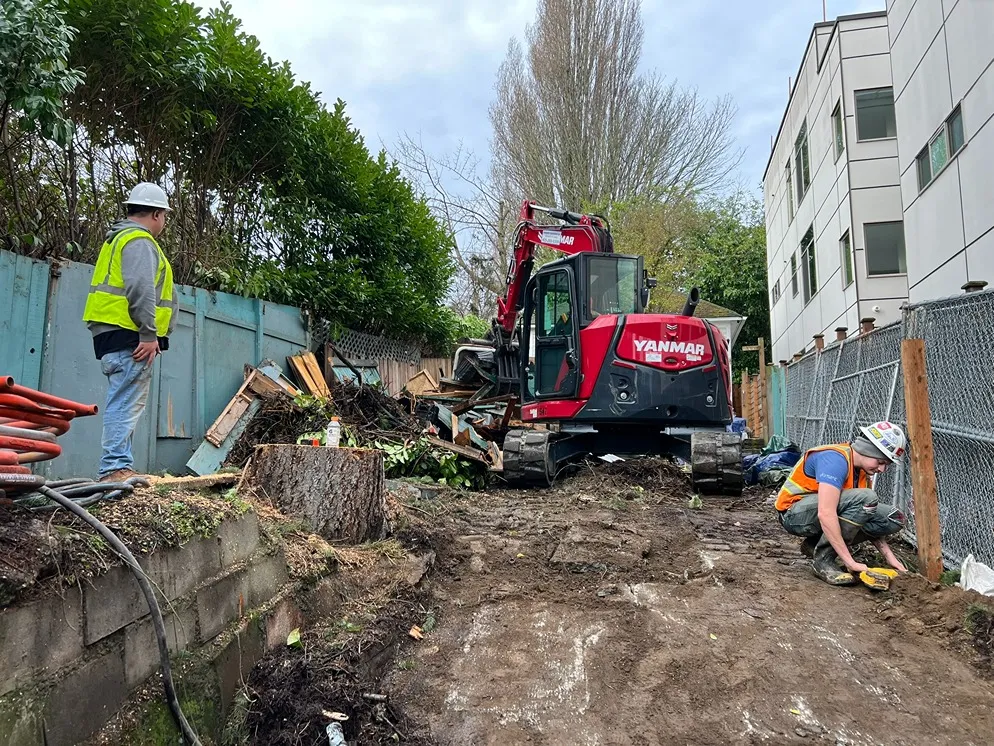
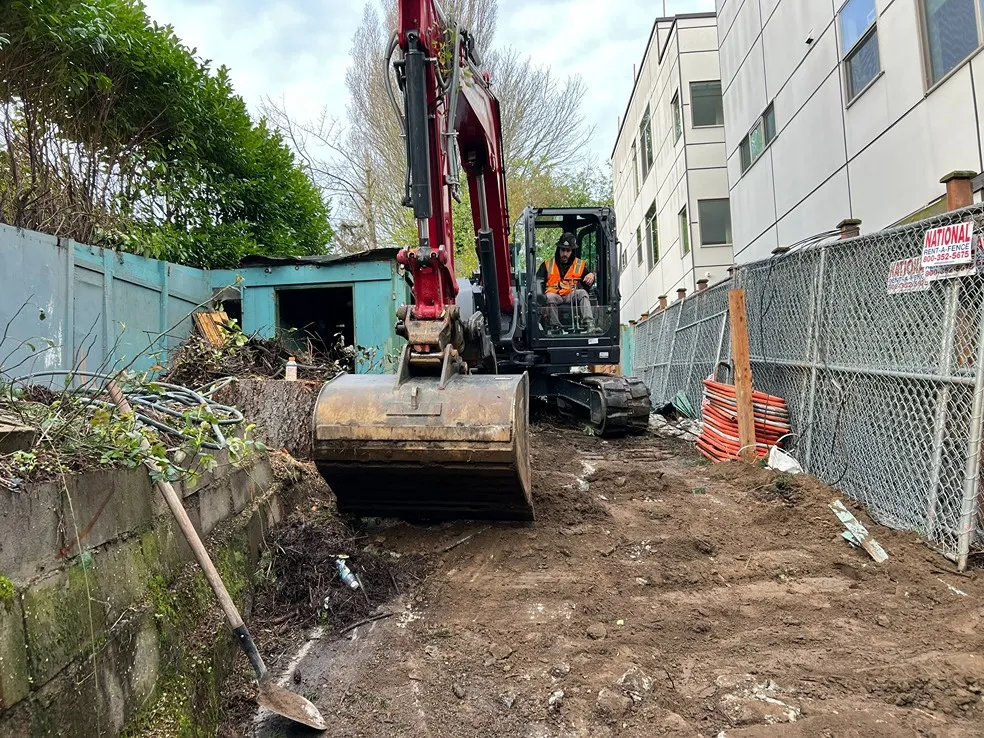
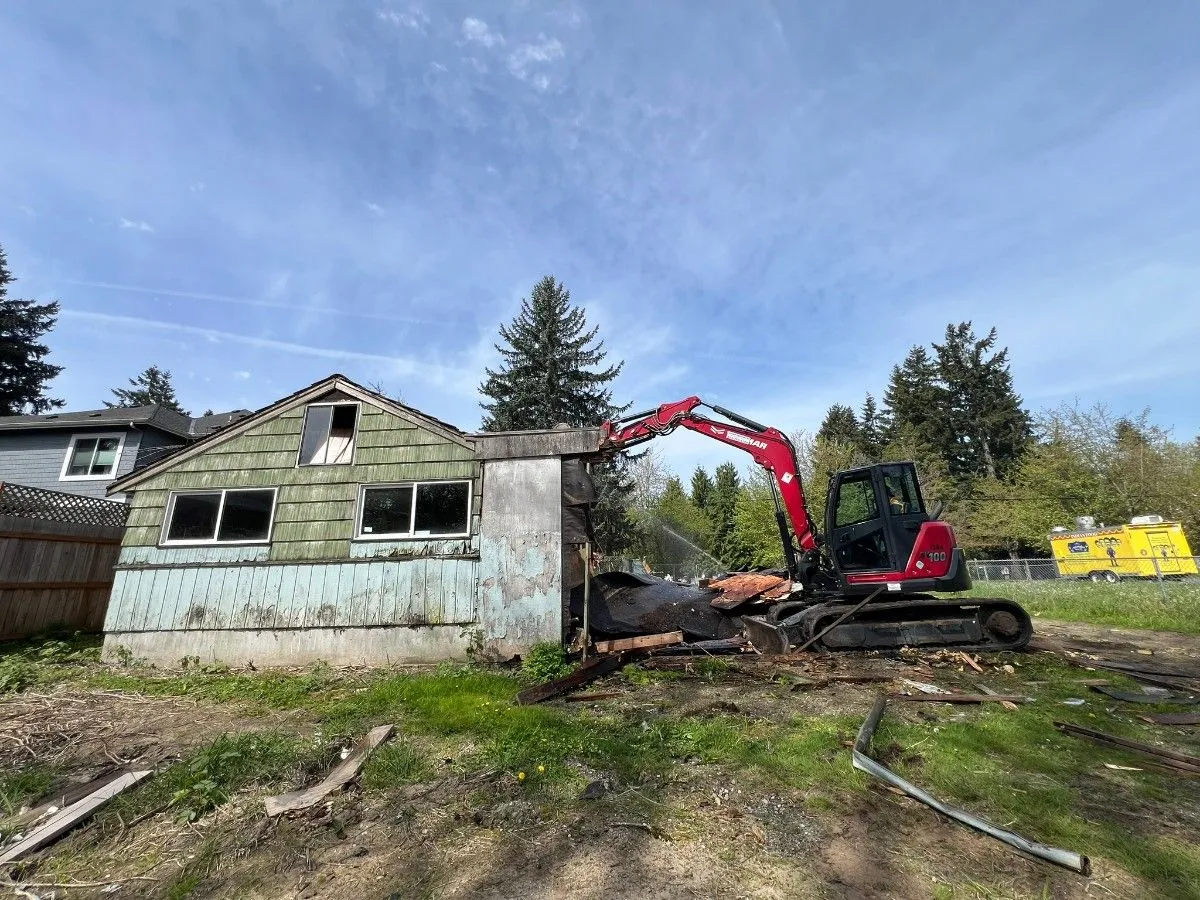
The work covers most of what's left standing on a parcel once it's time to build:
Sheds. Wooden and metal sheds, storage sheds, and site sheds left behind from prior use. A small shed can be down and gone in a day; the work there is mostly speed and a clean haul-off so it isn't in the way of mobilization.
Garages. Detached wood-framed garages, single or multi-car. The framing is straightforward. The real question is usually the concrete slab underneath and whether it comes out with the rest before grading.
Barns. Pole barns and older timber barns are the largest of the three and usually the oldest, so they carry the most unknowns: failing structure, buried footings, and the highest odds of hazardous material that has to be handled before anyone touches the frame.
Outbuildings. Lean-tos, carports, and other old structures that come off the parcel in the same pass.
Whether the job is a single structure or a full barn demolition, the structure comes down, the debris leaves with us, and the footprint gets cleared. This is Division 31 demolition work, so when the teardown is part of a larger sitework contract, it drops into the same scope language your bid package already uses.
No two structures come down alike, but the order holds.
SEE OUR FULL PROCESS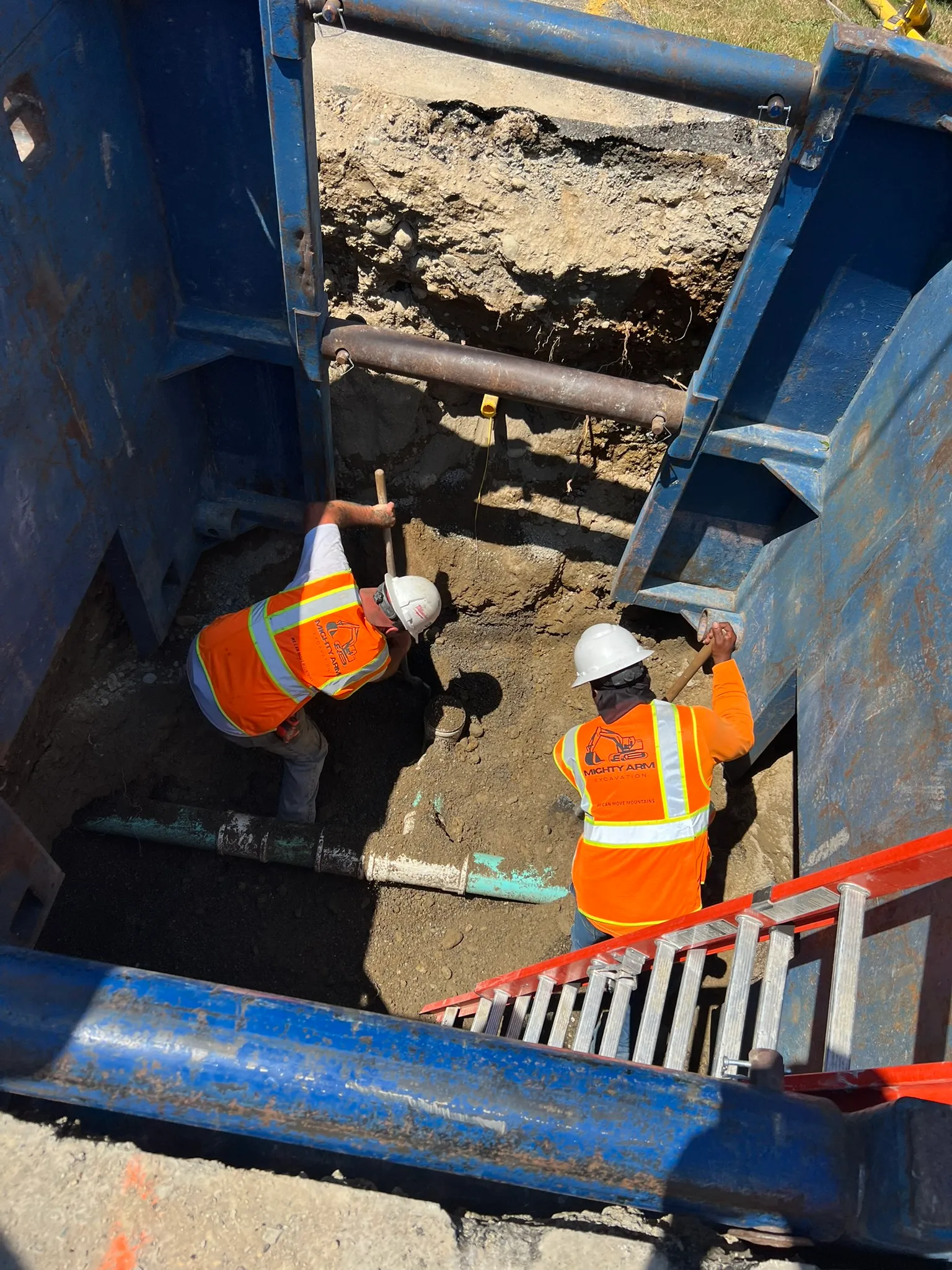
We look at what's coming down, what's staying, and what's underneath, and flag the things that decide the job: the age of the build, likely hazardous material, live utilities, and whether the slab comes out.
We load out the debris, take the slab and footings when they're in scope, and backfill and grade so the ground holds. Then we walk it with you to confirm it's clean.
Crew and machine land on the agreed date and the structure comes down, worked so debris stays clear of anything staying put. On a tight or active site, controlling where material falls is most of the job.
We pull or backfill the foundation as the plan directs, bring the lot to grade, and walk it with the owner or GC to confirm the site is clean, cleared to spec, and ready for what's lined up next.

The crew that drops the structure pulls the slab and grades the parcel. Demo into site prep is one contract, not a handoff to a second sub.

A teardown gates the sitework behind it, so a slow one pushes every date. We size crew and haul to the volume and hit the window.

Old barns hide rot, footings, and hazardous material a quick quote misses. We scope it on the walk and price it all up front, return trips included, so the proposal number is final.
.webp)
SAM.gov-registered for federal work with USFS, USGS, and the Army, and prevailing-wage ready for county and city jobs.
Most teardowns end where the excavation starts. Ours don't, and that's the point.
.webp)
The teardown itself is the fast part. On an older structure, what happens before the machine arrives is what keeps the job legal and on schedule, and it's the part a cheap quote tends to leave out. That's why a barn demolition, or any older teardown, starts with what has to line up first.
Skip this sequence and a shed demolition turns into a stop-work order. We'd rather spend the day up front getting it lined up than lose a week in the middle.
Most shed and garage removal jobs end at the walls: the structure leaves, the slab stays, and the footprint is the next crew's problem. Because we're an excavation outfit, we can take it further when the sitework calls for it.
The payoff is a parcel that's actually ready for the next phase. Whether you're clearing an old barn to make room for a build or taking the last structure off a lot before grading, the site leaves our hands cleared and graded, not half-finished for the following crew to square up.
They get grouped under one heading, but a flat per-structure rate hides where the cost and schedule actually move.
We scope each one on what's actually there, not a rate card, so a shed teardown and haul-away doesn't carry a barn's prep cost. On a parcel with more than one structure coming off, that's the difference between a bid that holds and one that balloons once the work starts.
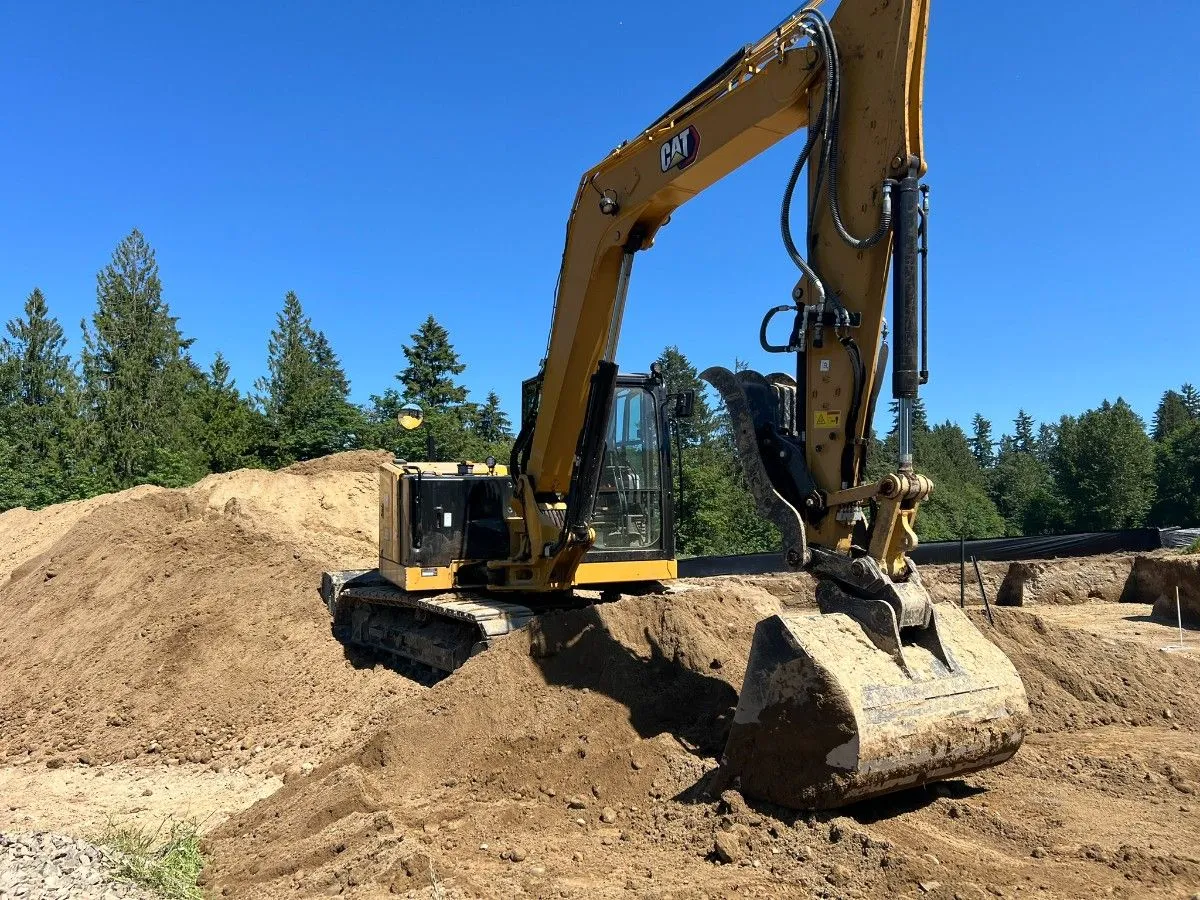
A teardown means getting a machine and haul trucks to the structure and the debris back off the property, so where the site sits is part of the number. Mighty Arm runs demolition and haul-off across a 50 to 70 mile band around Seattle, south to Tacoma, north to Bellingham, and east to North Bend.
.webp)
Seattle
Bellevue
Tacoma
Everett
Lynnwood
Bellingham
Granite Falls
North Bend

Home base & primary coverage

Barns, sheds, detached garages, and smaller outbuildings like carports and lean-tos. If it's a standalone structure on the property and it needs to go, we take it.
Hauling it off is part of the job, not an add-on. The structure comes down and leaves with us, and the footprint gets cleared, so there's no pile left behind to arrange disposal for.
A barn demolition runs in the same order every time: we walk the structure and scope it, get any hazardous material abated and utilities disconnected by the right parties, pull the permits tied to our scope, take the structure down, and haul it off. On an older barn, the prep before the teardown is often the longest part.
We don't, and you should be cautious of any demolition company that says it does in-house. Asbestos and similar materials have to be tested and removed by a licensed abatement contractor before demolition starts. We coordinate the sequence so it's handled first, then we come in.
Because we're an excavation crew, we can. When a job needs the slab, footings, and foundation out, we pull them and backfill the footprint rather than leaving the concrete for another phase to deal with. Whether that's in scope on your job is something we confirm when we price it, so the bid reflects exactly how far the teardown goes.
It depends on the size of the structure and your local jurisdiction. A small shed often doesn't; a garage or barn frequently does. We flag what's likely required when we walk the site and pull the permits that fall to our scope.
Mostly general contractors and developers, clearing a structure off a parcel before sitework or folding a teardown into a larger scope. We'll take a standalone teardown for a property owner too, but the process and the fixed-price bid run the same either way.
We price on what the structure actually is and how far the scope goes, not a flat rate, so you get a fixed-price bid with the work and exclusions written out. Send the details for a number. Workmanship carries a one-year warranty from substantial completion; it excludes damage caused by others, settlement beyond normal tolerances, misuse, or changes in how the site gets used.
Send us the structure and site details and we'll come back with a bid covering the teardown, haul-off, pricing, and timeline.
Tell us what needs to come down and attach plans or photos if you have them. We'll follow up to confirm the scope, timeline, and pricing.

Commercial excavation, site prep, and demolition for general contractors and developers across Greater Seattle.
License: MIGHTAE766QK
UBI: 605-632-469


.webp)